A summertime must-have is a non-toxic bug spray that actually works! Making your own bug spray is not only simple, but allows you to control exactly what goes in the bottle. I recommend trying this simple DIY bug spray recipe using essential oils—an effective, natural solution that helps you and your family stay protected while keeping toxins at bay.
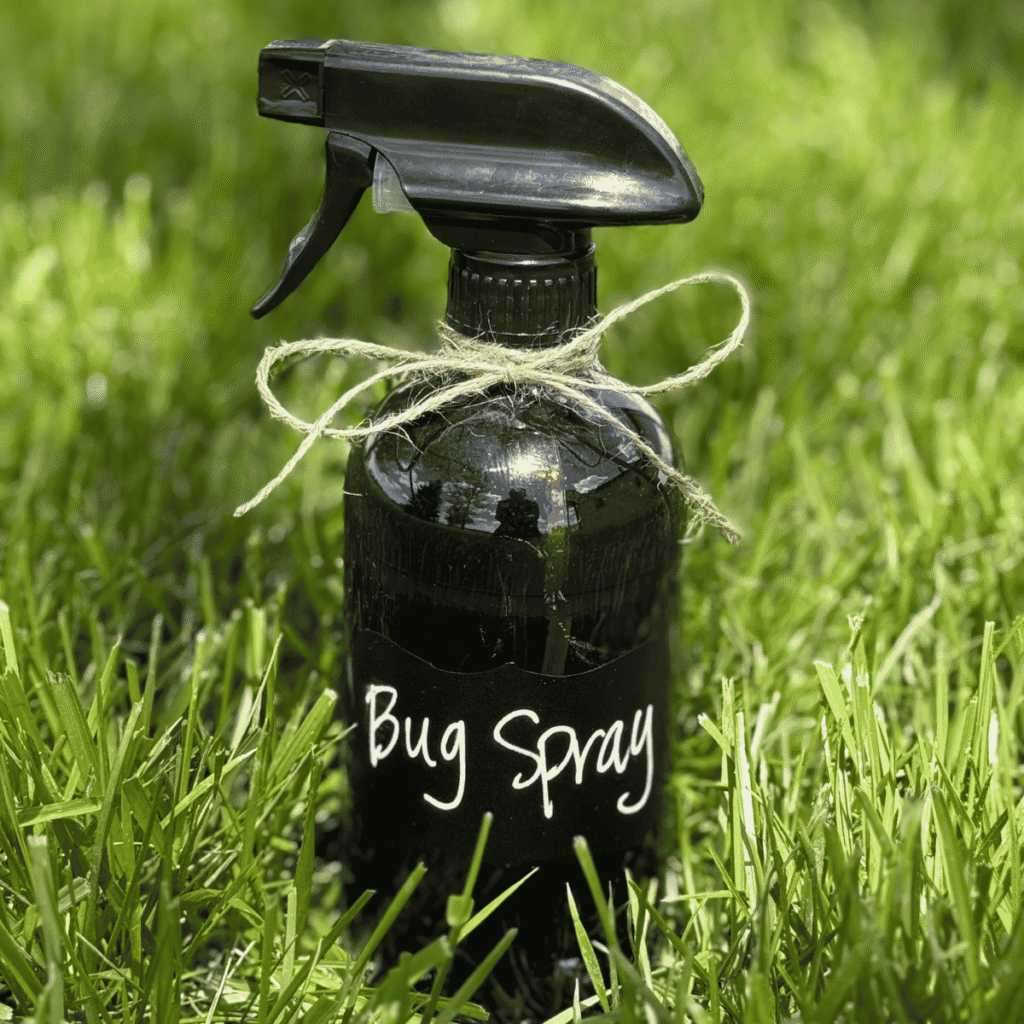
If you’re anything like me, you cherish those warm evenings spent outdoors but could definitely do without the swarm of bugs that tend to spoil the fun. This year, the tick situation seems to be particularly intense, and everywhere I turn, people are talking about how prevalent they’ve become already. The worry about tick bites and the risk of Lyme disease is very real, not to mention the ongoing nuisance of mosquitoes. These little pests can make it tough to relax, especially with kids scratching bites and the knowledge that mosquitoes sometimes carry diseases like West Nile and Zika. For those of us living out in the country, flies add another layer to the challenge! All we really want is to enjoy our time outside without constantly fighting off insects or worrying about the potential health risks.
Why Make Your Own
There are many things you can do to combat pesky insects, but a good clean bug spray is a necessity. Making your own gives you full control of the ingredients which will give you peace of mind. It is also very convenient and easy to make. The essential oils used are safe and are natural deterrents to these insects.
Natural Ingredients: Let’s be real. Commercial bug sprays are extremely toxic and full of chemicals. The chemicals they use in them are not healthy or safe. Making your own gives you full control of the ingredients which will give you peace of mind.
Convenience & Ease: It’s so easy to make with a few basic ingredients you probably already have at home. You can easily store it in your purse or in a diaper bag so it’s always available when you might need it.
Cost Effective: Bug sprays can be pretty costly whether they have good ingredientse or not. Making your own is very affordable.
Efficacy: This spray actually repels bugs and I can vouch for the effectiveness of this particular bug spray recipe because I’ve used it successfully for years on myself and my boys.
Scents: Believe it or not, you don’t have to smell so bad or so strongly when wearing a bug repellent. Some of the traditional brands just reek. You can control the essential oil scents and smell pleasant!
Ditch the Deet
I’m pretty particular about what touches my skin and my children’s skin. Our skin is our largest organ and when something touches it, it is easily and quickly absorbed into the bloodstream.
Deet is the main ingredient in most commercial bug sprays and is a known and documented neurotoxin and considered a pesticide. Research has tied Deet to seizures and brain toxicity in children. It can also prevent the normal breakdown of acetylocholine, a neurotransmitter that triggers movement and muscle activity. They note that the side effects are most commonly report after repeated dermal. If you’re using Deet insect repellant every night all summer or even 2 or 3 nights a week, that could be considered repeated dermal use. Unfortunately the EPA considers it completely safe for human use.
My Favorite Essential Oil Blends to Deter Bugs
There are many essential oils that will deter insects and I’ve listed many of the ones I have and use below.
- Basil
- Cedarwood
- Cinnamon
- Citronella
- Clove
- Eucalyptus
- Geranium
- Lavender
- Lemon
- Lemon Eucalyptus
- Lemongrass
- Orange
- Peppermint
- Rosemary
- Tea Tree
- Thyme
- Vetiver
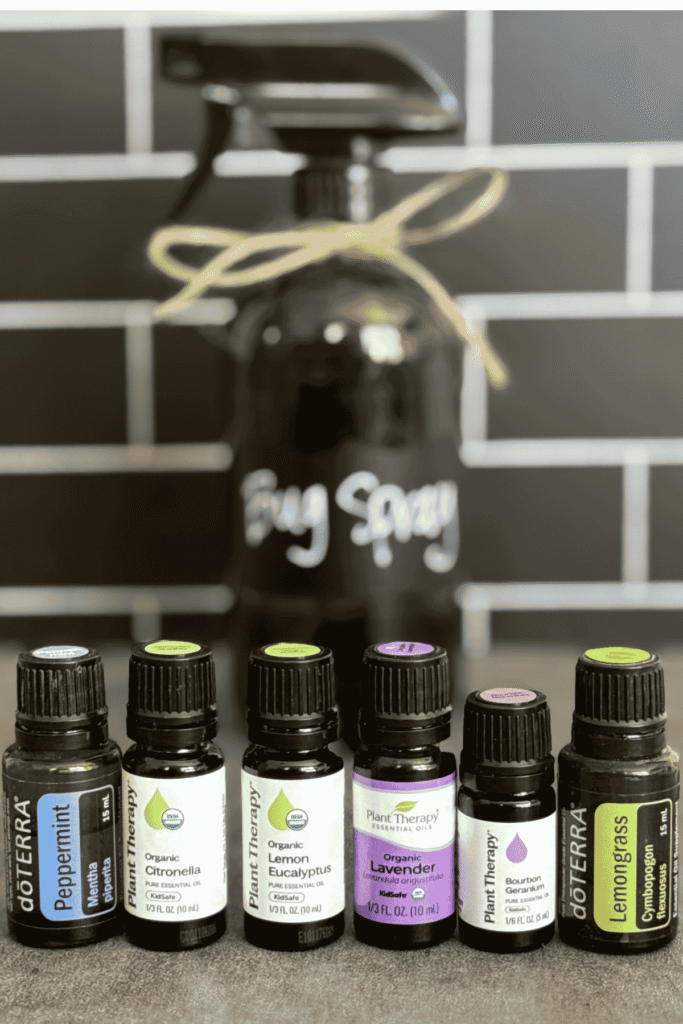
However, there are particular combinations that work better depending on the type of bug you are trying to repel. These are my favorite combos for the peskiest bugs that plague our homestead (using a 16 oz bottle).
Mosquitos (Or General Bug Spray):
- 15 drops Citronella
- 15 drops Geranium
- 15 drops Lemon Eucalyptus
- 15 drops Lavender
- 10 drops Peppermint
- 10 drops Clove/Cinnamon
Ticks:
- 15 drops Clove
- 15 drops Geranium
- 15 drops Lemon Eucalyptus
- 15 drops Cedarwood
- 10 drops Thyme
- 10 drops Citronella
Flies:
- 20 drops Lemongrass
- 20 drops Eucalyptus
- 20 drops Lavender
- 20 drops Peppermint
Ants:
- 20 drops Peppermint
- 20 drops Tea Tree
- 20 drops Lemon or Orange
- 20 drops Cinnamon
How to Make Your Own Bug Spray
Making your own bug spray is so simple, inexpensive and you get to control the ingredients so you can have peace of mind about what you’re putting on your skin and your children’s. Plus, it takes only about 5 minutes to make once you have all your supplies ready to go.
- 16 oz Amber colored Glass Spray Bottle – I like this particular one because it has the protective sleeve on the bottom to keep it safe since this particular item will be used outside. (Amber is important to maintain the disposition of the oils by protecting them from light and heat.)
- Witch Hazel (or rubbing alcohol) – Acts as an emulsifier to help blend the oils with the water to allow the oils to disperse evenly.
- Distilled Water – This is easy enough to get at the local grocery store or you can stock up on Amazon. It’s nice to have on hand for DIY projects with essential oils because it is free of impurities and helps prevent bacteria growth.
- Essential Oils
- Vegetable Glycerin (optional) – I add this to help keep things combined and also to lock moisture into my skin due to the fact that oils and witch hazel can be drying. It’s not necessary but just a preference.
- Funnel (optional but helpful) – This will help with spillage out of the small bottle opening.
To make your bug spray, you will simply use your funnel to add the witch hazel and vegetable glycerin (if using) to your glass bottle. Then you will add in your drops of essential oils and top it off with distilled water. Add a label sticker so you know what’s in the bottle, give it a shake and you’re ready to head outside!
Pro Tip
Add vanilla extract to your bug spray. It’s strong scent helps mask the carbon dioxide and skin odors that attract insects. Make your own here!
How To Use
- Shake before each use.
- Apply to skin or clothing before going outside.
- Reapply every couple of hours or after sweating.
Other Ways To Use Bug Spray
Your bug spray is versatile. It’s not just for clothing/skin.
- Spray around window screens and door frames during the warmer weather
- Spray on patio furniture and umbrellas before using
- Spray on outdoor sports and camping gear, hammocks
- Spray on curtains, for frames or use it to create scented sachets in closets
- Refresh clothing in drawers
- Wipe down counters to help destroy ant trails
Non-toxic Bug Sprays For Purchase
Maybe DIY isn’t your thing or you’re too busy and need something now. There are some good options you can purchase. There are some actually really good, clean options out there that you can feel comfortable putting on your skin and your kids. Always keep in mind, you want to look for Deet-free.
Other Ways to Repel Insects Naturally
We like to have people over in the summer and there are some other things we use on and around the patio area to not have to walk around and spray our guests with bug spray! Although we do keep bottles out so they can use it. Here are some cool ideas to consider.
- Candles (Murphy’s Candles) – We set these out on tables (kind of like citronella candles, which work too).
- Insect Repelling Patches – These are great for the really little ones you don’t want to spray essential oils on just yet. They are also great for camping!
- Insect Repelling Bracelets – These are also great for kids who are of the age to not remove them.
- Grow Insect Repelling Herbs in your yard (or grow in small planters to add to seating areas)- lemongrass, lemon balm, catnip, basic, lavender, mint or citronella. To maximize their effectiveness, crush the leaves to release their oils.
- Vanilla Extract – Add vanilla extract to skin – simple, easy & non-toxic!
Final Thoughts
Making and using your own bug spray is so easy and it works! I like to make a few bottles of this bug spray at the beginning of summer. I have a small one for my purse (or diaper bag) so if we get caught out-and-about it’s handy. This is just one more easy and inexpensive way to continue on in your journey to reducing toxins in your home. It will give you peace of mind when you’re spraying it on your children in place of toxic commercial bug sprays. Let’s make this summer about enjoying the outdoors, not stressing over bugs & toxins!
How to Make Your Own Bug Spray
Equipment
- 1 8 or 16 oz Glass Spray Bottle
- 1 Funnel Optional
Materials
- 1/3 Cup Witch Hazel
- 1 TBSP Vegetable Glycerin Optional
- 15 Drops Citronella Essential Oil
- 15 Drops Geranium Essential Oil
- 15 Drops Lemon Eucalyptus Essential Oil
- 15 Drops Lavender Essential Oil
- 10 Drops Peppermint Essential Oil
- 10 Drops Clove/Cinnamon Essential Oil
Instructions
- Using your funnel, add the witch hazel (and vegetable glycerin) into the glass bottle.
- Next, add in the drops of essential oils.
- Lastly, top off the glass bottle with distilled water. Close the bottle and give it a shake.
- Add a label so you know what's in the bottle.
- You're ready to spray on skin or clothing and head outside!
Notes

Leave a Reply